
This month, we are handing the newsletter over to the people who turn a brief into reality. An experience guests can walk into and remember.
From the outside, a successful event can look effortless. The room works, the speaker appears at the right moment, guests know where to go, and somehow all the meetings, budget revisions and planning falls into place. Behind that ease is an event desk coordinating all the details, asking what could change, and solving the occasional curveball.
So, we asked members of the True North team to take you behind the plan.
Meet the Event Desk
The event autopsy
Sinead Crow, Project Manager.
What clients should know about delivery.
For Sinead, communication is where it starts. The event team needs to know what is changing in the client’s world, their expectations and their budget, because those conversations shape what happens behind the scenes.
Planning for the “what ifs” is just as important. Event elements change and planning for the alternatives early can turn a potential scramble into a manageable adjustment. With so many people, deadlines, and moving pieces involved, open communication also keeps everyone working towards the same outcome. And about that “one small change”. Add 40 guests and it is no longer only a seating question. Venue capacity, catering, registration, décor, gifting, transport, and parking all need to shift. The question – can they be accommodated, what’s the impact, how quickly can we implement. The goal, as Sinead puts it, is for those 40 guests to have exactly the same experience as everyone else.

Event hot takes
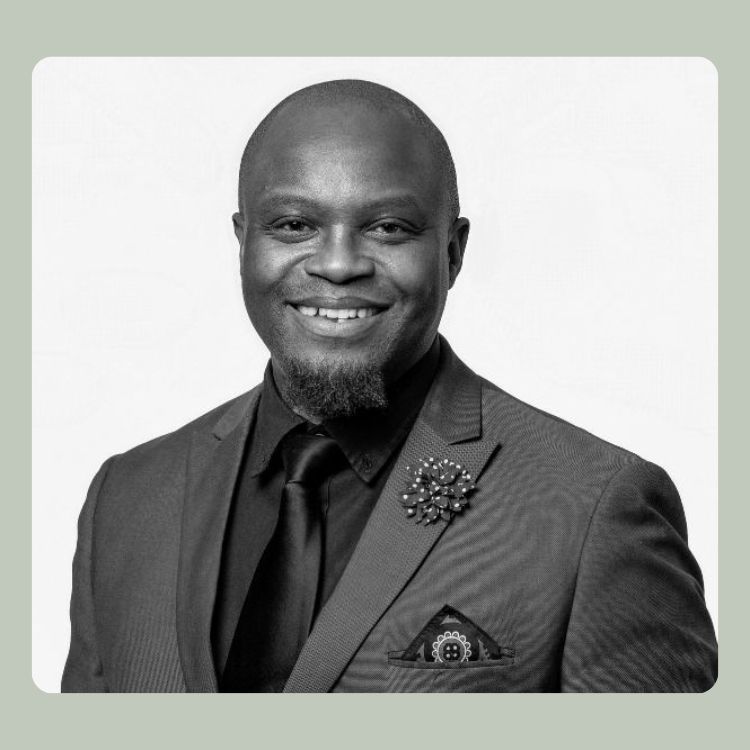
Solly Gebashe, Project Manager.
What makes a great event.
A great event starts with a clear brief and the instinct to stay two steps ahead. When the client’s vision and end goal are understood, the team and suppliers can work from the same picture, rather than filling in the gaps themselves.
Regular communication through meetings, status reports and updates keep expectations and potential concerns visible, while strong relationships give people the confidence to own their roles and raise a hand when something needs attention. For Solly, an extraordinary event is ultimately powered by the relationships between the client, the team and trusted suppliers. When everyone is invested in the overall client experience, rather than just their own piece of the job, the entire event rises to another level.
What would we do?
Susan Pereira, Project Finance Manager.
There’s no textbook for every live-event problem, so we gave Susan two scenarios and asked: What would you do?
You just got word that the speaker is delayed.
First, confirm their ETA and start working through the options. If a speaker is delayed, she first confirms their ETA, works on various solutions and then takes the options to the client. For example, arrival drinks and canapés could run a little longer, or an artist already onsite could open the programme while the running order is adjusted. Susan’s approach is to work through the possibilities, then take the best options to the client with a solution, not a problem.
If mother nature has other plans for your outdoor event.
If Mother Nature has other plans for an outdoor event, the answer starts long before the rain. Weather risk should be considered when selecting the venue, with a contingency plan in place for rain or wind. Guests may need to move undercover, the programme may need to be adjusted, and suppliers need enough warning to protect AV, branding, and guest comfort.
In both cases, the thinking is calm and practical, with a focus on anticipating what you can and providing the client with a solution rather than a surprise when something changes.

The 60-second event expert
Karen Livingstone, Head of Operations.
Karen, unfiltered.
The detail guests always underestimate: How much happens behind the scenes to make everything look effortless.
The most underrated part of event planning: The project tracker and attention to detail. It keeps deadlines and deliverables visible and helps the team spot potential issues early.
The thing you always check twice: The production schedule, timings, and technical requirements, because one small error can have a knock-on effect across the event.
Your event-day survival essential: Coffee, a charged phone, a walkie-talkie, and a Plan B or C or D.
The strangest request you have ever received: We don’t believe in strange requests, only briefs that need a little more imagination.
One word or sentence you would ban: “Quick” – As in, “Can we make a quick change?”

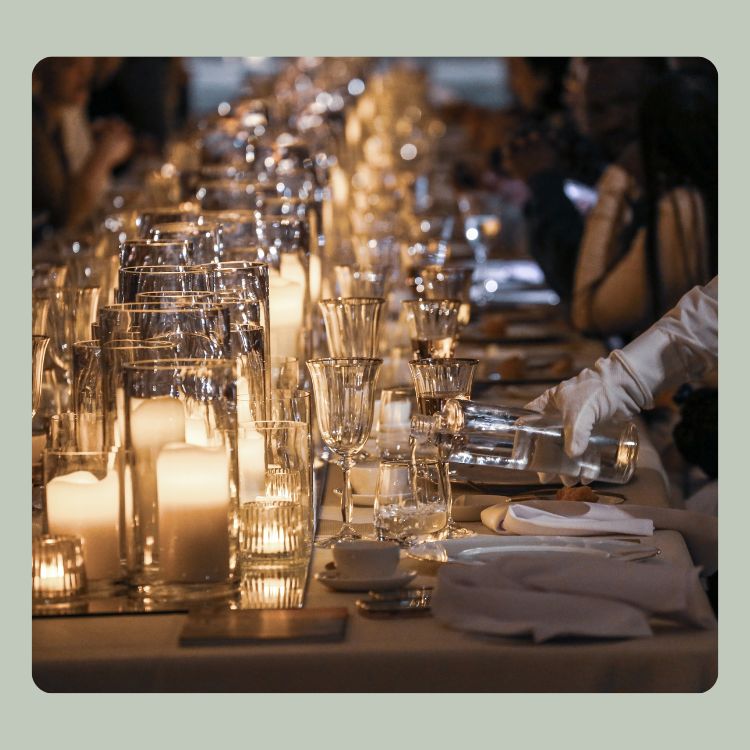
The event dictionary
Courtney McCoy, Executive Assistant, translates event-speak.
Voice of God: Although we would love to say we have connections, it does not mean divine intervention. It is the live voiceover used to make announcements during an event.
Pixie: A dedicated event runner, host, or brand ambassador assigned to an onsite task such as registration, directions, backstage support, or artist management.
Strike: Despite how alarming it may sound in South Africa, this simply means dismantling and packing away the decor, technical equipment, and other elements brought in for the event.
Pax: Event shorthand for the total number of guests or attendees.
DCP: This is offered when booking a venue. DCP stands for Daily Conference Package (or DDP – Daily Delegate Package or Day Delegate Rate). It is a per-person, per-day flat rate charged by venues or hotels that includes venue hire, catering, and basic AV technical support into one simple price.
GPX: This refers to screen graphics and includes keynote presentations, lower thirds (speaker name titles), holding slides, motion graphics, video stings, countdown timers, logo loops, and screen graphics displayed on LED walls or projection screens. A graphics file format used for event content/visuals. Courtney has enough of these to start her own event dictionary, so we may have accidentally found ourselves a future series.
The 5-minute venue test
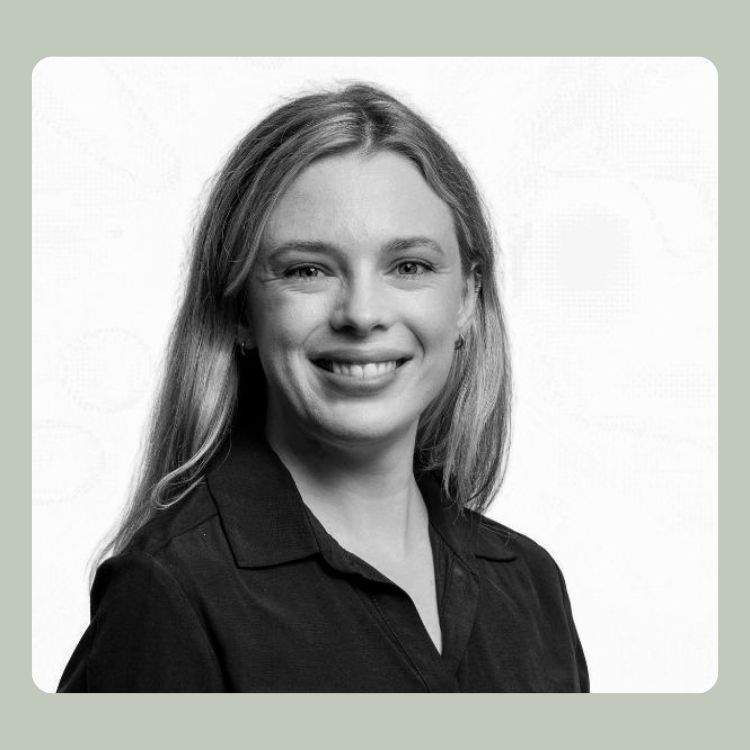
Maggie Chaponda, Project Support.
What do you look for in a venue before suggesting it as an option?
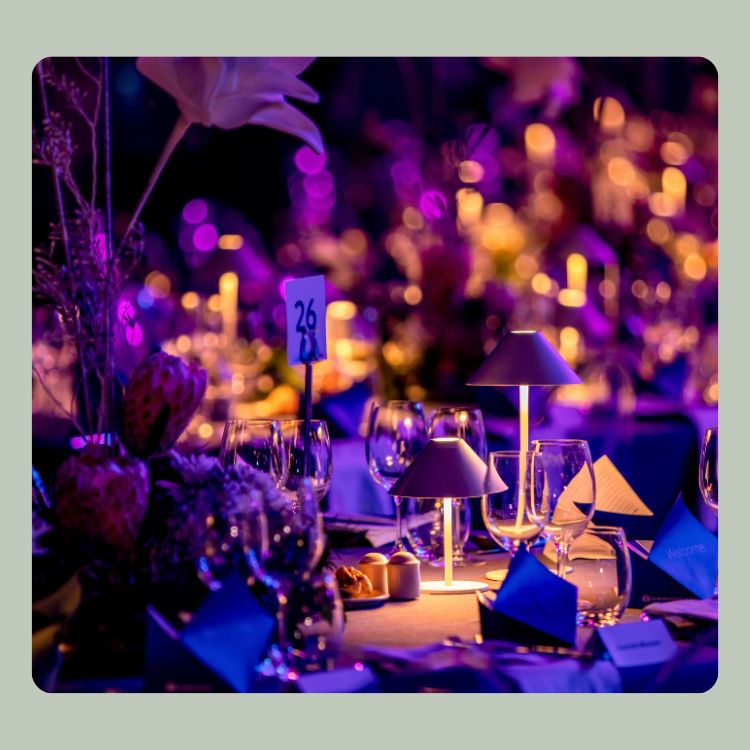
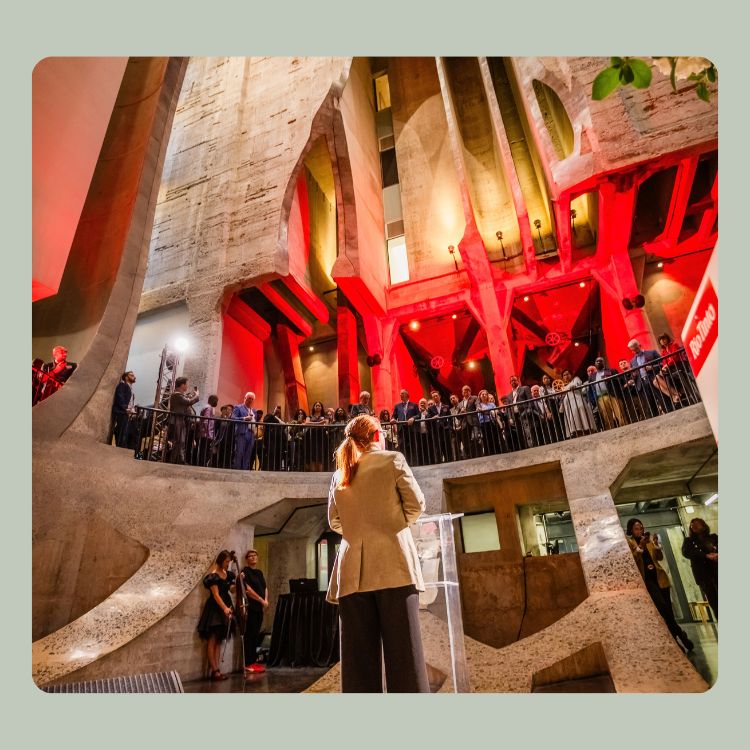
A beautiful venue is only the beginning. Maggie looks at whether guests can get there safely and easily, whether the floorplan suits the format and numbers, and whether people can move through the space comfortably.
Behind the scenes, loading access, setup and strike windows, power, Wi-Fi, storage, and holding rooms can quickly shape what is possible. Kitchens and bathrooms need to cope with the guest count, while restrictions around suppliers, branding, noise and weather need to be understood before anyone falls in love with the view. She also checks for costs that are easy to miss, including overtime, corkage, cleaning, and security, as well as how responsive and solution-oriented the venue team is. A venue has to work in practice, not only in photographs.
Event myths, busted
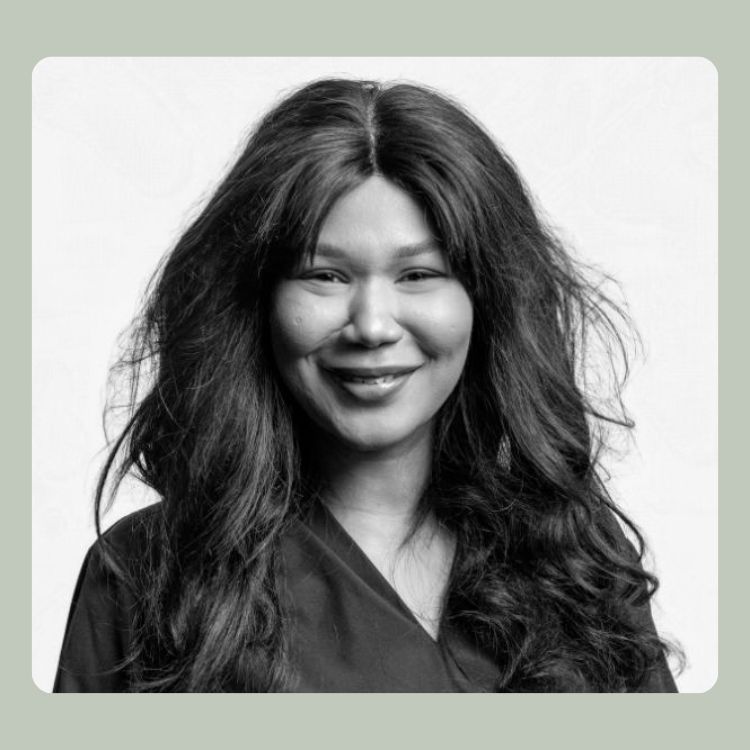
Inge Crow, General Manager, takes on some familiar event folklore.
The bigger the budget, the better the event
Not necessarily, because high-budget events can become too focused on visual spectacle at the expense of connection, networking opportunities, or useful takeaways. More money creates options, but it does not guarantee a stronger event.
Guests notice everything
After months spent staring at floorplans and running orders, every detail can feel enormous to the event team, but guests experience the atmosphere as a whole. They may never know the walk-up music was a few seconds shorter than planned, although they will notice a painfully long coffee queue, an overrunning programme, or poor sound.
More entertainment means more engagement
Entertainment and engagement are different. Adding acts and activations can overwhelm guests if they do not support the event’s purpose. Entertainment makes people spectators, while engagement gives them something to participate in.
Once the event starts, the hard work is over Anyone who has worked a live show knows otherwise. Doors opening shifts the work from planning into real-time management and execution, with no pause button once guests arrive.
Behind the plan
By the time guests walk through the doors, months of planning have already gone into what they see and how the day feels. The team has questioned the venue, tracked deadlines, managed budgets, prepared for changes, checked the schedule and worked out what happens when the answer changes at 4.47pm the day before.
That is the part of eventing most people never need to see. For True North, good delivery means understanding the complexity well enough that everyone else can focus on the experience in front of them. Here’s to the project managers, coordinators, creatives, suppliers, and production teams behind the plan, including the ones currently asking who approved the pink elephant.
